From the US midterms to social unrest in Europe, and back to the cost-of-living squeeze on ordinary Canadian families
CC.NEWS Toronto, November 4, 2026
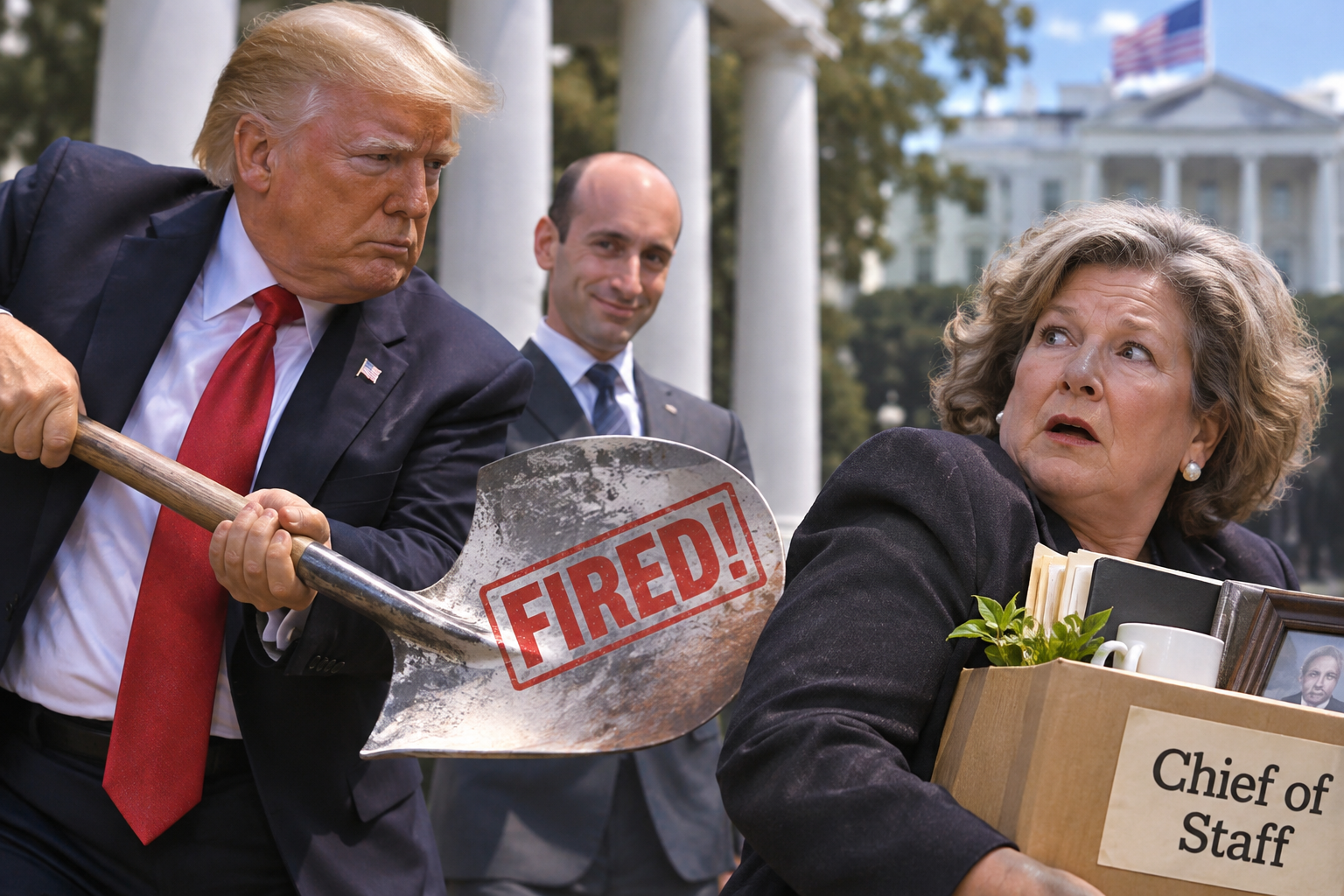
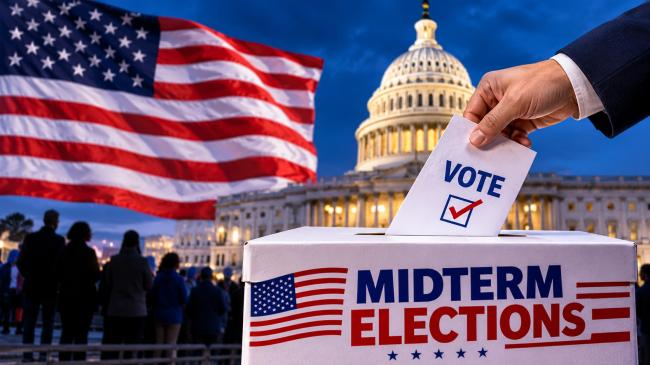
In the 2026 US midterm elections, the Democrats won control of both chambers of Congress, a major setback for the Republicans.
Why did this happen?
If we shift our gaze from the political battles in Washington to the daily lives of ordinary Americans, we may find some answers worth considering.
What do ordinary people really care about? A steadily rising stock market index, or how much is left in their wallets when they buy groceries, fill the tank, pay the rent or make the mortgage payment each day?

The energy price pressure driven by war, the higher transport costs caused by rising oil prices, the higher import prices that tariff policies may push up — who ultimately bears these costs?
When corporate and stock market performance diverges from how ordinary families experience their lives, is the government really hearing the voices of the public?
The Trump administration once promised to improve Americans’ lives. If ordinary families still feel a heavy cost-of-living burden, will voters express their dissatisfaction at the ballot box?
Is the Republicans’ loss of both chambers this time precisely a concentrated expression of that sentiment at the polls?
Social unrest in Europe is a warning for governments everywhere
Now look at Europe.
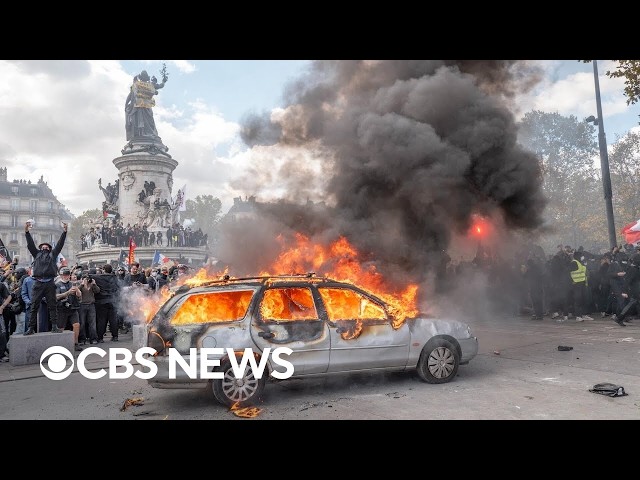
France has recently seen large-scale demonstrations and riots, and Germany has also had protests over the cost of living, public services and other social issues.
The specific context of these events differs, but there is one common question worth considering: what happens to a society when some people feel their earnings can no longer support their lives, lack confidence in the future, and lose patience with the government’s ability to solve problems?
When a person works hard but finds it increasingly difficult to afford housing, food and everyday expenses, will their confidence in society be affected?
When some people believe the normal channels cannot change their situation, and even stop believing the system can respond to their demands, where do social tensions go next?
Violence and looting are certainly no justification for solving problems. But should governments be listening seriously to these grievances before they turn into street confrontations?
Canada should be asking itself the same question
Now back to Canada.

Ordinary Canadian families face the same cost-of-living pressure in food, housing, transportation and energy. Are wages keeping up with prices? Can young people still afford to buy a home? Can ordinary families keep enough room to live after paying rent, the mortgage and everyday bills?
Do Canada’s stock market performance and macroeconomic data truly reflect how ordinary families are living?

If a country’s economic data looks good while more and more families find life difficult, how should the government explain the gap between these two realities?
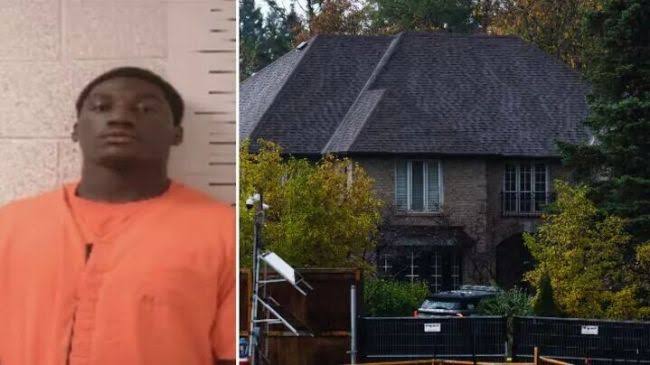
At the same time, a number of late-night home invasions, armed threats and violent crimes in the Greater Toronto Area in recent years have also made residents worry about safety in their homes.

Are these cases simply isolated criminal matters? Beyond illegal firearms, organized crime and law enforcement issues, should we also look more closely at how poverty, employment, housing and social security affect public safety?
Of course, armed robbery cannot simply be attributed to the cost of living, nor can economic hardship be treated as a justification for crime. But if we focus only on the police response after a case occurs and do not study the causes behind these social problems, might we miss chances to prevent them earlier?
The ballot is an important way for people to express dissatisfaction
This US midterm election at least offers an example worth observing.
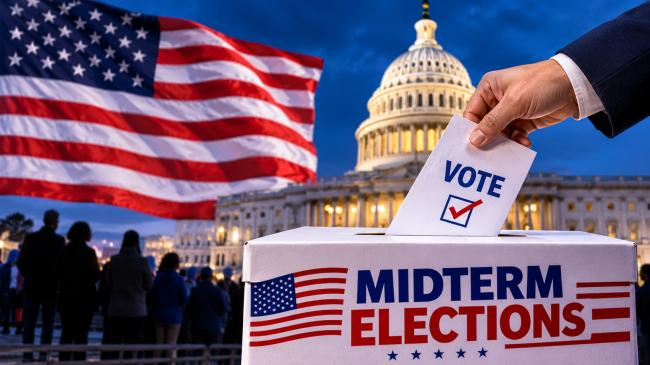
Under a democratic system, people can express dissatisfaction with the governing party through the ballot. If government policy does not respond to the public’s real needs, voters can change the balance of power in Congress and make those in power feel the pressure.
Is the Republicans’ loss of both chambers this time a way for American voters to express dissatisfaction over the war, oil prices, tariffs and the cost of living?
Elections certainly cannot solve every social problem. But they provide an institutional, peaceful channel for expressing views.
Voting cannot solve all the problems of a democracy either. So if some people are unwilling to vote, some are unable to vote, and others no longer believe voting can change anything, how should the government hear their voices?

When people lose confidence in expressing their demands through normal channels, is social discontent more likely to turn toward extremism?
That is the question governments everywhere should be thinking hard about.
What a country really needs to focus on is not how much the stock market has risen, how much the economy has grown or how much applause the government has won, but whether ordinary people can still, through their own work, maintain a life of dignity and security.
When people feel life is getting harder, how will they express their dissatisfaction?
American voters have already sent a signal at the ballot box that is worth watching.
Should Canada draw some lessons from it too?