Ministerial trade meeting in Beijing gives canola meal, peas, lobster and crab exports two years of stability
CC.NEWS Toronto, November 4, 2026
Canada–China trade relations have produced another positive signal. The Canadian government announced on November 4 that Canada and China have reached an agreement to extend by two years the preferential market access that four categories of Canadian agricultural and seafood products enjoy in the Chinese market, through the end of 2028.

The extension covers Canadian canola meal, peas, lobster and crab. The decision means that Canadian producers, seafood harvesters and exporters in these sectors will have a longer period of market certainty, and it also creates conditions for the two countries to further expand trade cooperation.

A formal notice issued the same day by Global Affairs Canada confirmed that the agreement was reached during a meeting in Beijing of the Canada–China Joint Economic and Trade Committee (JETC).
Ministerial trade meeting drives the extension
Canada’s Minister of International Trade, Maninder Sidhu, and China’s Minister of Commerce, Wang Wentao, co-chaired the meeting. It was the first time the Canada–China Joint Economic and Trade Committee has met at the ministerial level.
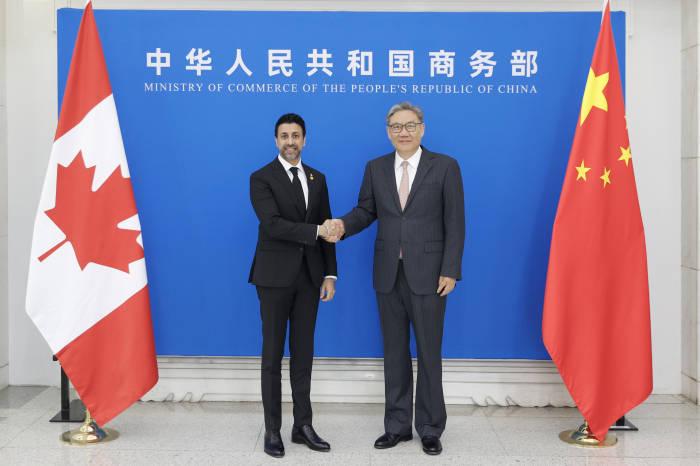
The Canadian government said the extension builds on the initial joint arrangement on bilateral economic and trade issues reached during Prime Minister Mark Carney’s visit to Beijing in January 2026.
From March 1 this year, China suspended the discriminatory tariffs it had imposed on Canadian canola meal, peas, lobster and crab. The original arrangement was valid through the end of 2026. Under the new agreement, both sides will extend the preferential market access arrangement through the end of 2028, giving the affected Canadian export industries two additional years of policy certainty.
It should be noted that the extension explicitly covers only those four product categories and does not mean China has eliminated tariffs on all Canadian agricultural and seafood products.
Canada also extends tariff relief for some Chinese steel and aluminum products
The arrangement is not a one-sided policy adjustment.
According to the Canadian government’s notice, Canada will also extend through the end of 2028 the tariff relief measures applied to certain Chinese steel and aluminum products under the original arrangement.
These are specific steel and aluminum products for which domestic supply in Canada is insufficient to fully meet market demand.
From a policy standpoint, the two sides are continuing mutual adjustments in agriculture, seafood and some industrial products, reflecting a shift in Canada–China trade talks from resolving case-by-case trade frictions toward seeking a more stable and predictable market access mechanism.
The Chinese market matters greatly to Canadian exporters
China is one of Canada’s most important single-country trading partners.
Data published by the Canadian government show that two-way merchandise trade between Canada and China totalled $125.7 billion in 2025. Canada exported $35 billion to China and imported $90.6 billion.
In the first half of 2026, Canadian exports to China rose 31.4 per cent year over year to $21.5 billion.
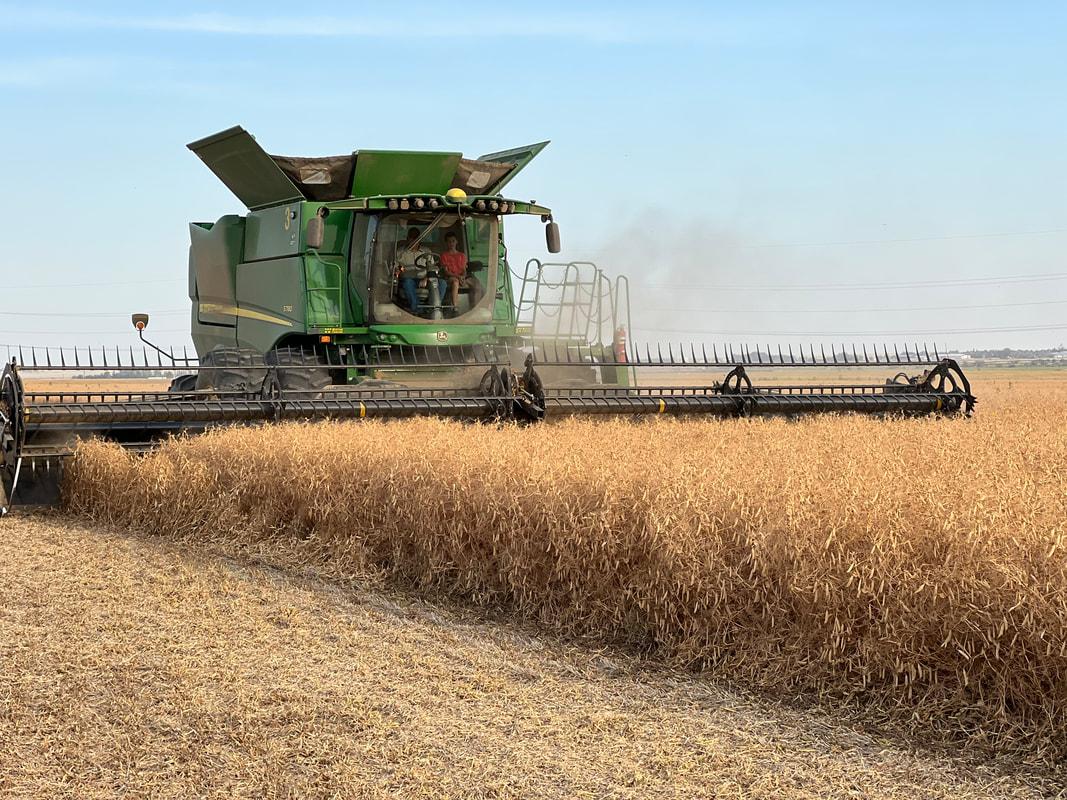
For Canada, the Chinese market is not only an important destination for agricultural and seafood exports but also a key direction in its push to diversify trade and reduce reliance on a single market.
The Canadian government has set a goal of increasing exports to China by 50 per cent by 2030. The extension of preferential market access for the four product categories is part of that trade diversification strategy.
From tariff easing to market stability, Canada–China trade ties are shifting
Looking back at Canada–China trade developments since the start of 2026, Prime Minister Carney’s visit to China in January was an important milestone.
During the visit, the two sides reached an initial arrangement to resolve some trade issues. China subsequently restored market access for Canadian beef and adjusted its tariff policy on some Canadian agricultural products, while Canada made corresponding adjustments to its arrangements for imports of some Chinese electric vehicles and to its tariff measures on steel and aluminum products.
The extension of preferential market access for the four categories further consolidates the earlier interim gains.
It must be acknowledged, however, that Canada–China trade relations still face real challenges. The two countries remain divided on some industrial policies, market access and trade protection measures. The extension shows both sides are willing to work through specific trade issues in continued negotiations, but it does not mean all trade disputes have been resolved.
For Canada’s agriculture and seafood industries, a stable tariff policy helps companies plan production, exports and market development; for the Chinese market, it also helps maintain continuity in the supply channels for the products concerned.
News analysis: trade diversification becomes a key strategic choice for Canada
The significance of the extension goes beyond the four commodities themselves.
With the global trade landscape shifting and Canada actively seeking to expand exports to markets outside the United States, the Chinese market is becoming more important. The Canadian government hopes that improving trade relations with China will create more export opportunities for its agriculture, energy, manufacturing and seafood industries.
At the same time, China is also using concrete trade arrangements to maintain economic and trade engagement with Canada.
As things stand, the Canada–China relationship is taking on a more pragmatic character: the two sides have not eliminated all their differences, but they have begun to expand areas of cooperation step by step through ministerial dialogue and sector-specific agreements.
The extension of the preferential market access arrangement through the end of 2028 gives the industries concerned in both countries a relatively stable policy window. Whether Canada and China can turn this interim result into long-term, sustained trade growth will still depend on further negotiations and on how the markets actually perform.