From Death-Defying Battlefield Missions to the Fight for the Franchise: Honoring the Sacrifices and Legacy of Chinese Canadian Soldiers
CC.NEWS Scarborough, November 10, 2026 (By Tom Kim & Wang Lan) — A poignant chapter of Canadian history once largely hidden from public awareness was brought back into the national spotlight this week through the unveiling of a historic commemorative postage stamp.
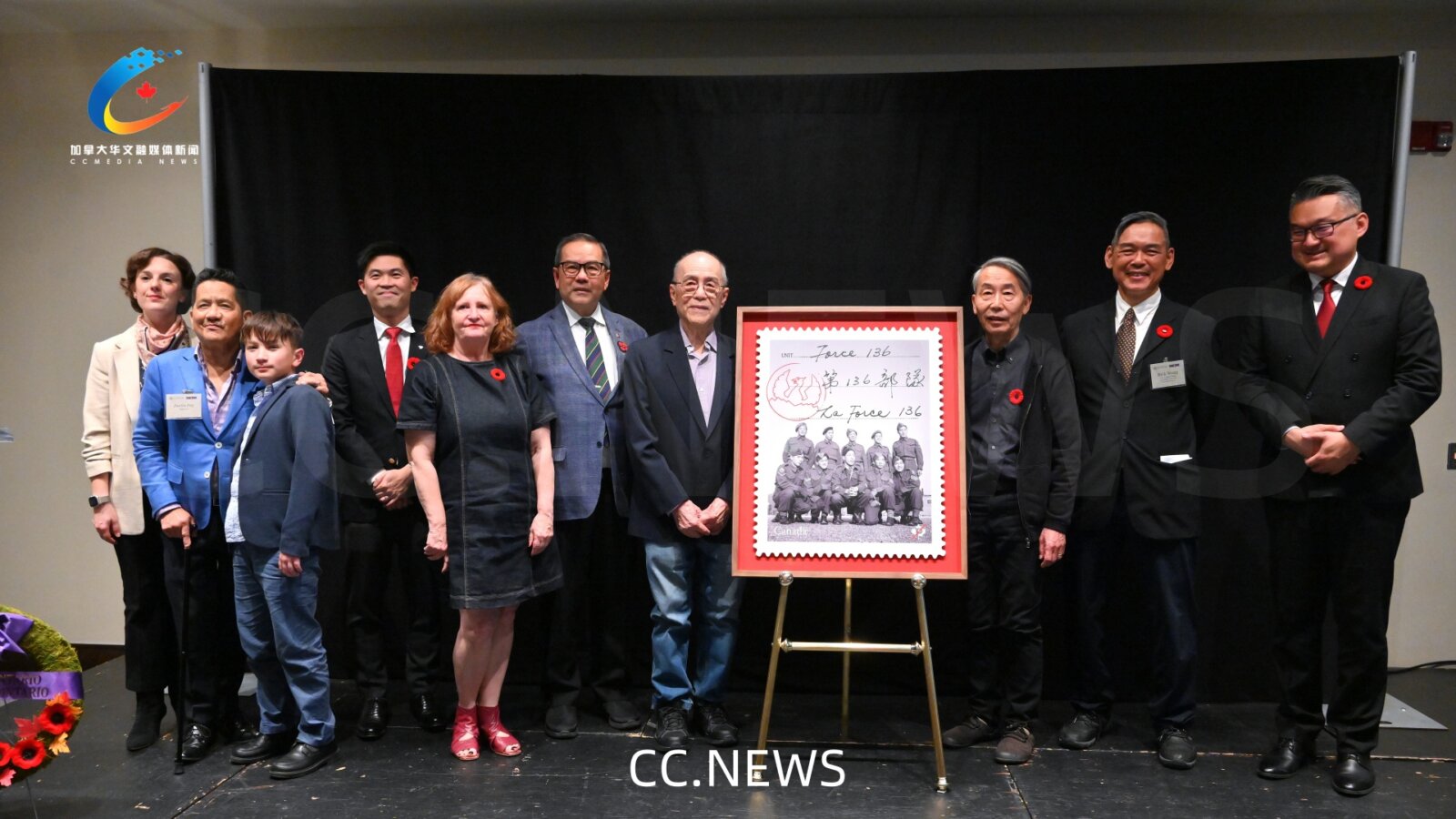
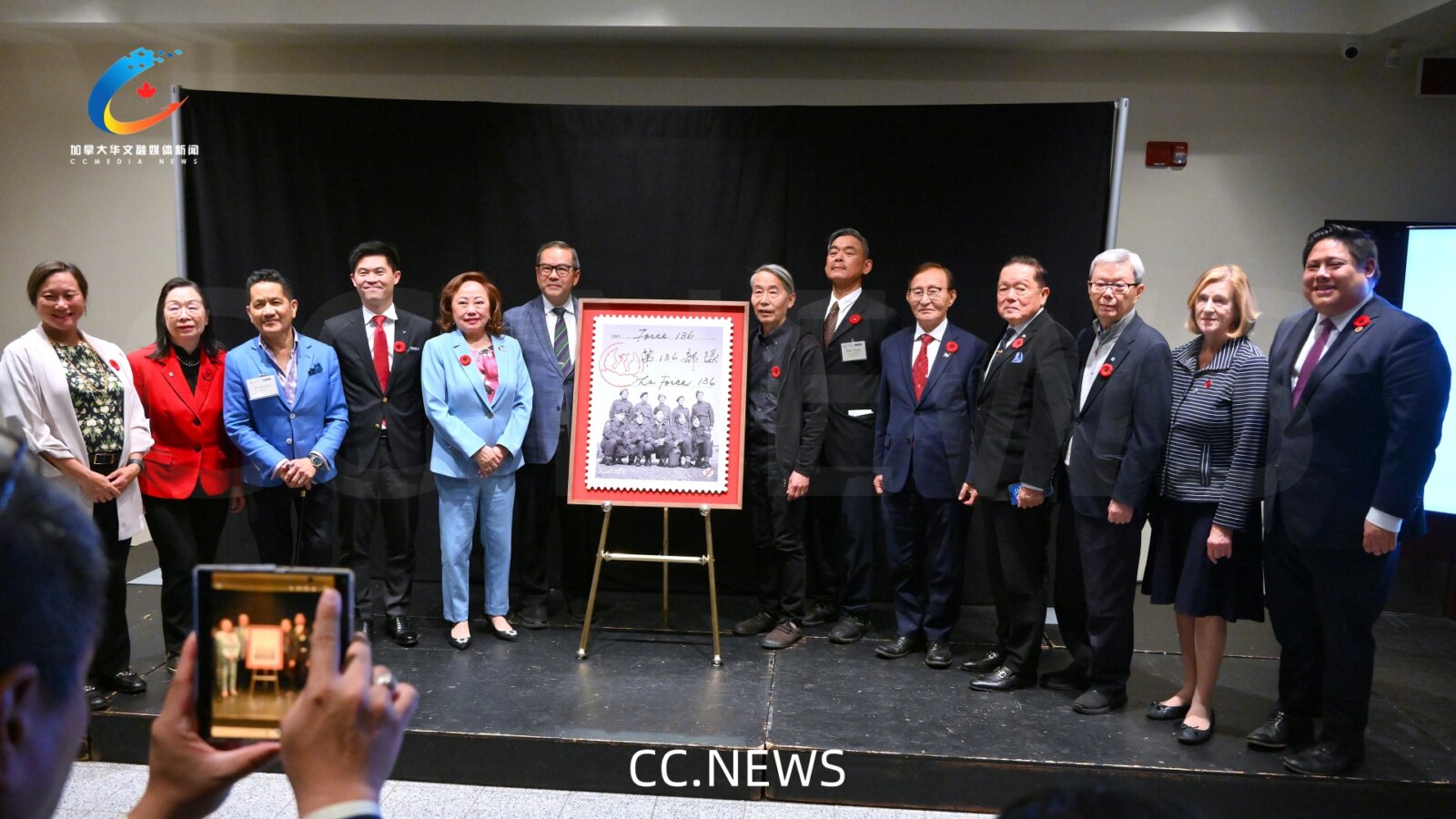
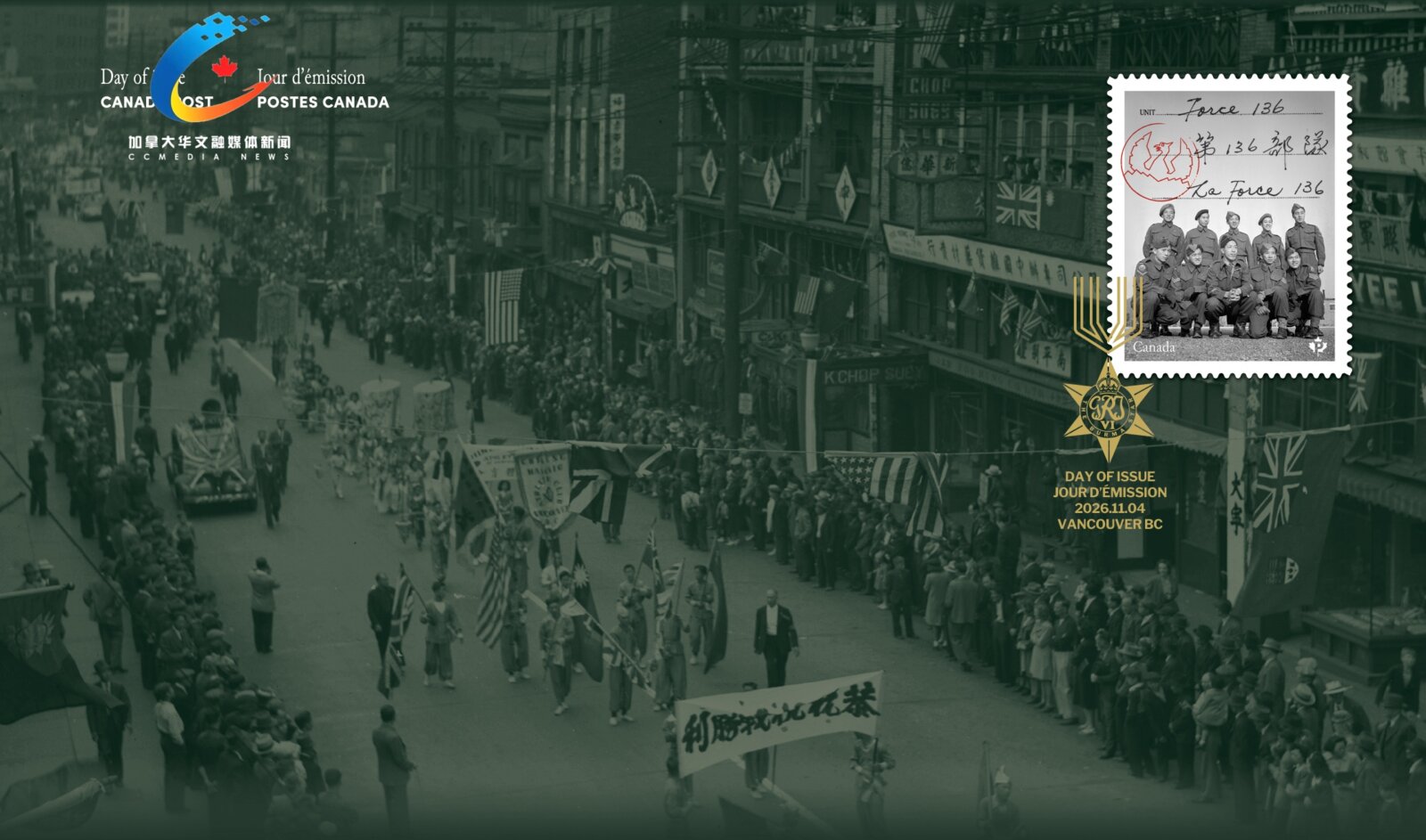
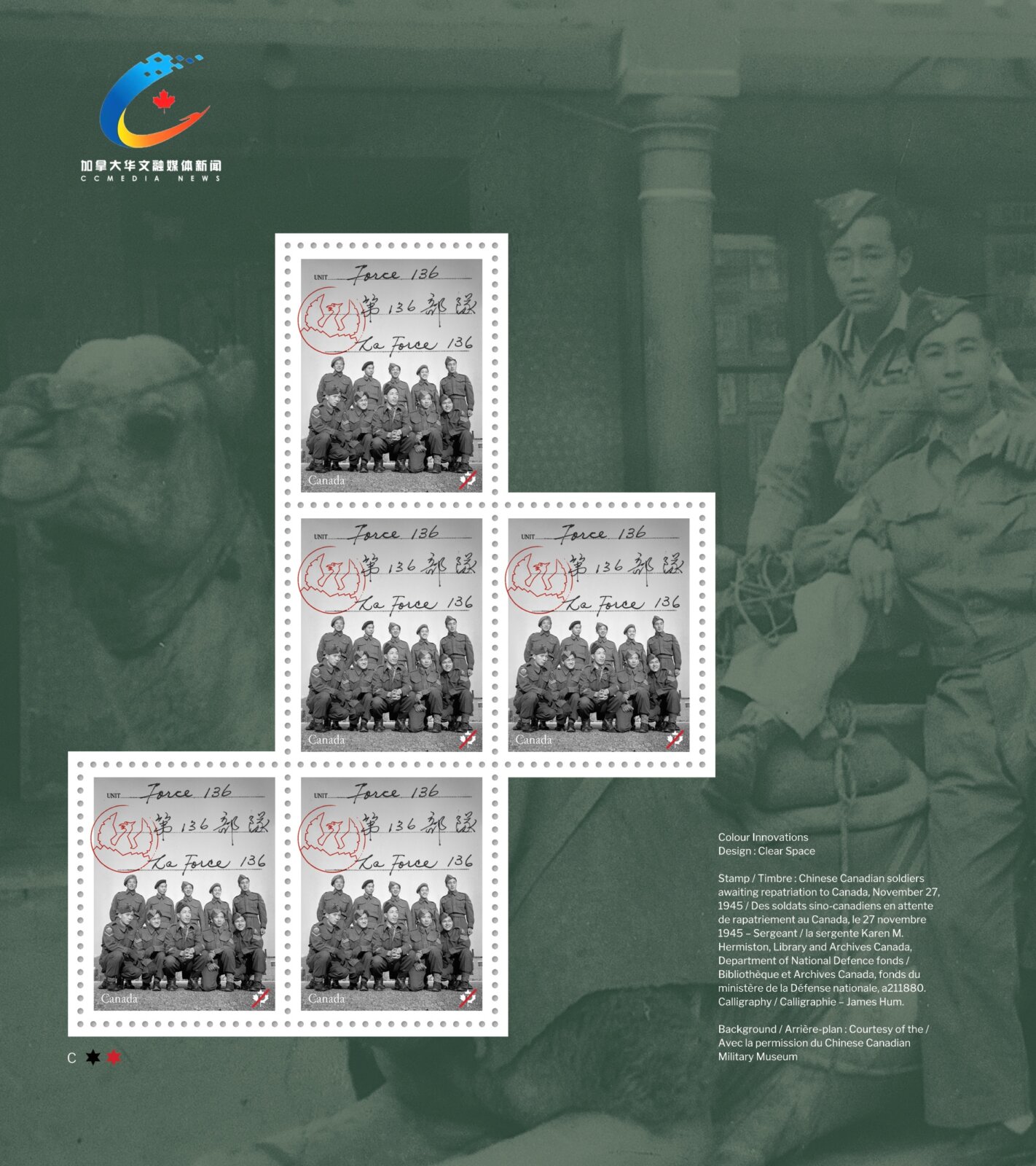
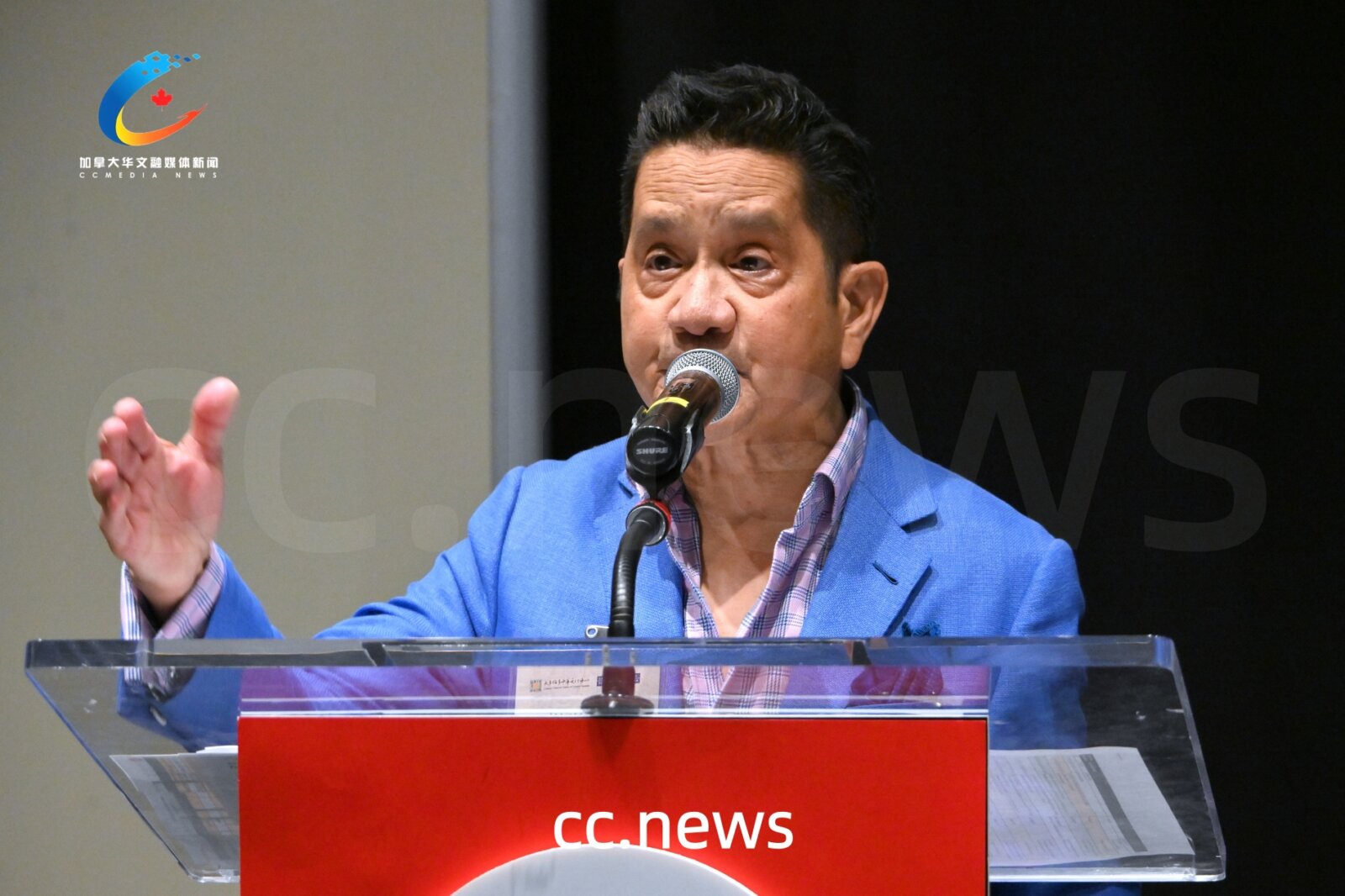
Ahead of Remembrance Day, the Chinese Cultural Centre of Greater Toronto (CCCGT), in partnership with Canada Post, hosted a special commemorative ceremony at the cultural centre in Scarborough to showcase a newly issued stamp honoring Force 136 — the elite, clandestine military unit comprised primarily of Chinese Canadian volunteers who served behind enemy lines in Japanese-occupied Asia during the Second World War.

The event brought together veterans’ families, elected officials, and community leaders to pay tribute to the courage, determination, and enduring legacy of these soldiers.

What this commemorative stamp honors is far more than military valor alone: it symbolizes the pivotal historic breakthrough of Chinese Canadians fighting for civil rights, full citizenship, and an end to systemic discrimination in Canada.
150 Chinese Canadians Recruited for Covert Allied Missions
Unveiled by Canada Post on November 3, 2026, the stamp honors approximately 150 Chinese Canadians who were covertly recruited and trained by Allied forces for high-stakes intelligence and guerrilla missions across Southeast Asia.
At the time, Chinese Canadians faced entrenched systemic racism. Under the 1923 Chinese Immigration Act (often called the Chinese Exclusion Act), people of Chinese descent were barred from immigrating, denied the right to vote, and excluded from numerous professions. When the Second World War broke out, Chinese Canadians were initially barred from military enlistment.
However, by 1944, as Allied forces prepared counter-offensives in Japanese-occupied Southeast Asia, British intelligence recognized that Chinese Canadians possessed crucial language skills, cultural fluency, and the physical ability to blend into local Asian populations. A group of Chinese Canadian volunteers was recruited into the British Special Operations Executive (SOE) Force 136 and related clandestine units.
Trained rigorously in intelligence gathering, jungle survival, demolition, wireless radio communications, and parachute jumping, their mission was to infiltrate occupied territories, liaise with local resistance forces, organize guerrilla units, and sabotage enemy supply lines.
Hank Wong: One of the 13 Pioneers of Operation Oblivion
A deeply moving moment at the Toronto ceremony was the presence of Rick Wong, son of the late WWII veteran Henry Albert (Hank) Wong.

Hank Wong was one of 13 Chinese Canadian soldiers selected for “Operation Oblivion,” an ultra-hazardous clandestine mission. Born in London, Ontario on November 3, 1919, Wong passed away on October 10, 2019, just weeks shy of his 100th birthday.

According to military archives, Wong was initially turned away by the Royal Canadian Navy because of his Chinese heritage. Undeterred, he joined the Canadian Army’s Kent Regiment in 1940, serving as a driver, weapons instructor, and demolitions specialist before being recruited into Force 136.
Wong and his comrades trained intensively at a secluded camp near Okanagan Lake, B.C., and later in Australia. Although shifts in the Pacific theatre eventually led to Operation Oblivion being cancelled, Wong remained bound by secrecy for decades until classified files were opened. He was the last surviving member of the original 13-man Oblivion team.
One War, Two Victories: Fighting for the Franchise
More than 600 Chinese Canadians served across the Canadian Army, Navy, and Air Force during the Second World War. When they returned home, they channeled their service into a peaceful crusade for equality: if they were deemed worthy of dying for King and country, they demanded the full democratic rights of citizenship.
As Randall (Bud) Wong of the Chinese Canadian Military Museum Society aptly summarized, Chinese Canadian veterans achieved “One War, Two Victories” — first defeating fascism abroad, and second, securing democratic rights at home.
In 1947, Canada formally repealed the Chinese Exclusion Act. By 1949, federal voting restrictions based on Chinese race were entirely removed, and in 1957, Force 136 veteran Douglas Jung made history as Canada’s first Chinese Canadian Member of Parliament.
The stamp design features a historic 1945 photograph of Chinese Canadian service members alongside the phoenix insignia of Force 136, inscribed in English, French, and Traditional Chinese. As Canada observes Remembrance Day, this national stamp ensures that their selfless sacrifice and historic triumph will never be forgotten.
Ceremony Gallery