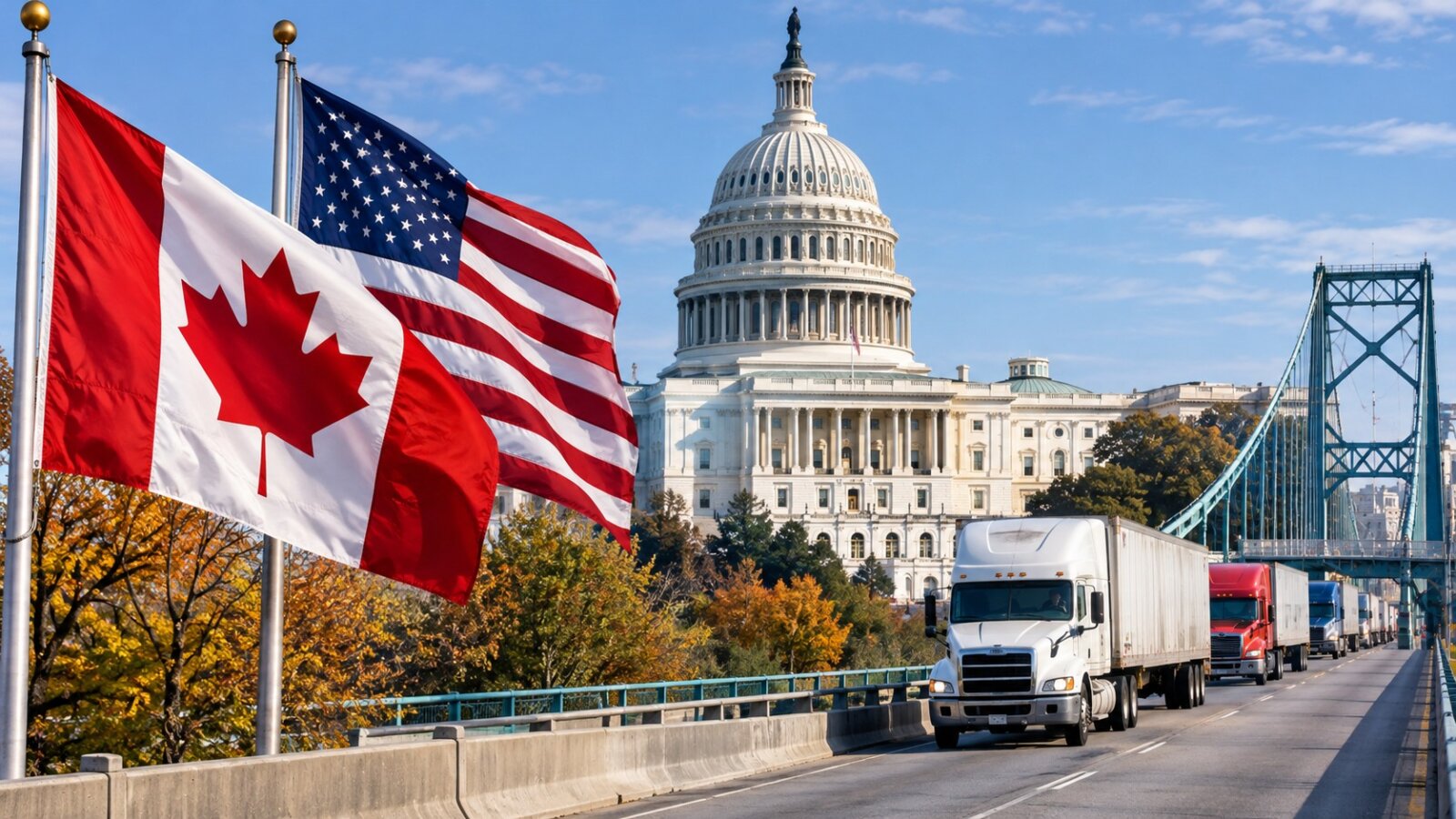
The Trump administration faces stronger congressional checks, with Canada–US trade, the auto industry and the CUSMA review in focus
CC.NEWS Canada, November 4, 2026
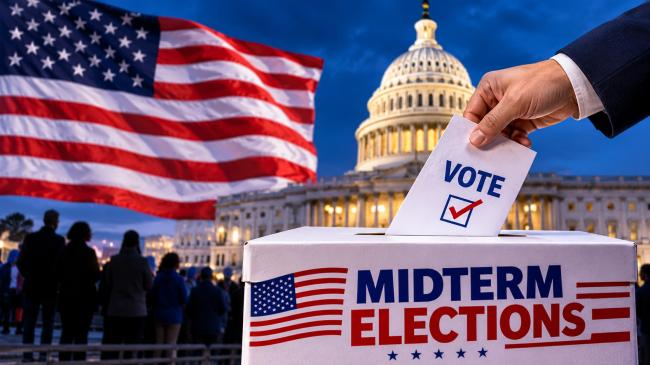
The 2026 US midterm elections have produced a major political shift. In the vote held on November 3, the Democrats won control of both the House of Representatives and the Senate, ending the Republicans’ hold on the White House and both chambers of Congress.
The Associated Press reported that the results reflect voters’ dissatisfaction with the cost of living, inflation, government policy and related international affairs. With the Democrats back in control of both chambers, the Trump administration will face stronger legislative oversight and political checks over the next two years.
For Canada, this is not only a change in the US domestic political landscape but could also directly affect Canadian trade, manufacturing, employment and diplomatic relations.
Tariff policy may come under greater pressure
Canada is one of the United States’ most important trading partners. In recent years, the US has imposed tariffs on some Canadian steel, aluminum, automobiles and other goods, putting pressure on Canadian exporters.
With control of both chambers, the Democrats can use congressional hearings, investigations and legislation to increase scrutiny of the Trump administration’s tariff policy and to push for debate on rolling back some tariffs.
The Democrats cannot, however, simply cancel Trump’s tariffs by winning a congressional majority. The president still holds a veto, and overriding a presidential veto normally requires a two-thirds majority in both chambers.
Canada may therefore gain new room for political negotiation, but the tariff issue will not resolve itself.
Ontario’s auto industry is the biggest concern
Ontario’s auto industry is deeply integrated with the US market, with parts and vehicle production depending on cross-border supply chains.
If the Canada–US tariff dispute continues, it could raise business costs and affect plant investment, production schedules and jobs.
With the Democrats controlling Congress, the views of the US auto industry, unions and relevant state lawmakers on trade policy may receive more congressional attention. That also gives Canada new channels to press for tariff relief on vehicles and parts.
CUSMA review enters a critical phase
2026 is a key year for the joint review of the Canada–United States–Mexico Agreement (CUSMA).
Auto rules of origin, steel and aluminum trade, agricultural products, energy and North American supply chain arrangements will all be on the agenda for the three countries.
With the Democrats in control of both chambers, congressional debate and oversight of trade policy may intensify, but the two US parties still share an interest in protecting domestic manufacturing and jobs.
Canada cannot simply assume that Democratic control means support for all of its trade objectives.
Canadian jobs and business investment are affected
Changes in the US market will directly affect Canadian exporters.
If the tariff dispute eases, auto, steel, energy and agricultural companies could gain a more stable operating environment, and investment and employment could improve.
Conversely, if Canada–US trade talks remain stalled, companies may delay investment, adjust supply chains or even consider moving some production to the United States.
Changes in the balance of power in Congress could therefore eventually reach Canadian factories, export orders and the employment income of ordinary households.
Three questions the Chinese Canadian community should watch
- If the US eases tariffs on Canadian vehicles and parts, could Ontario’s auto industry and Chinese Canadian-owned parts companies find new opportunities for growth?
- If Canada–US trade tensions continue, how much will Canadian jobs, housing prices, the cost of living and small and medium-sized businesses be affected?
- If Canada wants to reduce its reliance on the US market, should it further expand trade cooperation with China, Europe and Asian markets?
These questions concern not only the national economy but also the jobs, incomes and daily lives of Canadians.
The Carney government faces a new negotiating environment
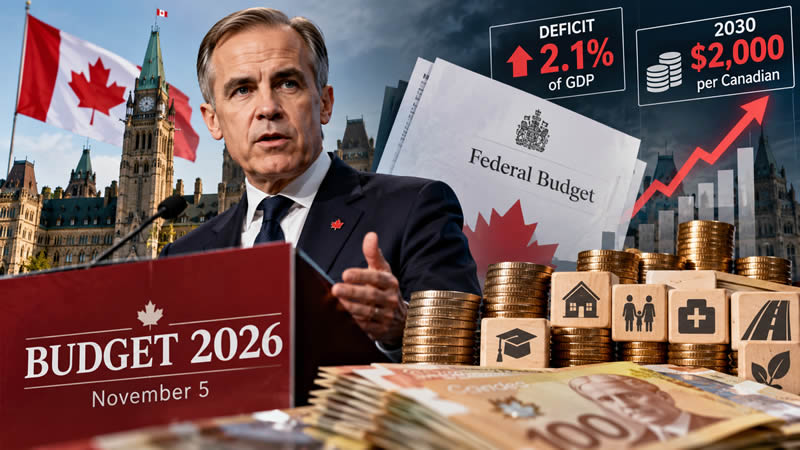
Prime Minister Mark Carney will need not only to keep lines open to the Trump administration but also to strengthen ties with lawmakers from both US parties, the relevant congressional committees and state governments.
Canada should focus on securing tariff relief for autos, steel and aluminum and on preserving the CUSMA framework, while continuing to expand European and Asian markets to reduce over-reliance on a single market.
Can Canada breathe easier now that the Democrats have won both chambers?
The answer is probably not that simple.
Democratic control of Congress means more scrutiny for the Trump administration, but the president still holds executive power and can veto legislation. Nor are the two US parties completely at odds on trade protection, industrial policy and national interest.
The biggest change this election brings for Canada is added political and diplomatic room to work with, not a guarantee that Canada will immediately receive trade concessions.
What Canada really needs to secure is not which US party holds power, but respect for North American trade cooperation and protection of the legitimate interests of Canadian businesses and residents, whoever governs in the United States.
The US political landscape has already changed. Whether the Carney government can turn that change into concrete trade results will be an important issue for Canada over the next two years.