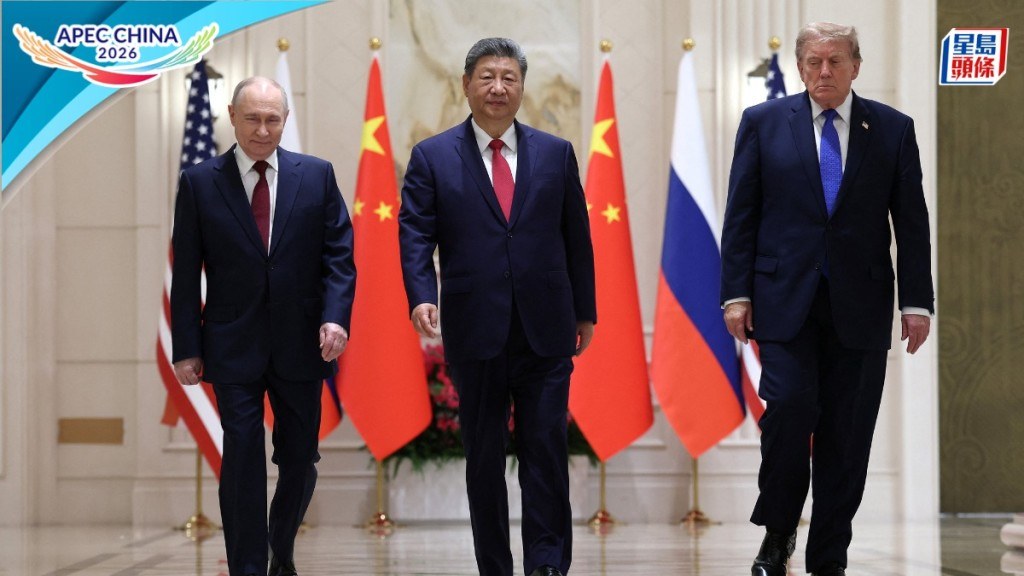
SHENZHEN (CC.NEWS) — In a watershed moment for modern diplomacy, Chinese President Xi Jinping, U.S. President Donald Trump, and Russian President Vladimir Putin met for a historic trilateral summit on November 19, 2026, at Qilin Villa in Shenzhen, on the sidelines of the 33rd APEC Economic Leaders’ Meeting. The meeting marks the first time in history that the heads of state of China, the United States, and Russia have held a formal, face-to-face trilateral summit. Following extensive discussions, the three leaders issued the landmark Trilateral Leaders’ Declaration on Peace.
“Villa Diplomacy” in Shenzhen: From Bilateral Talks to Trilateral Summit
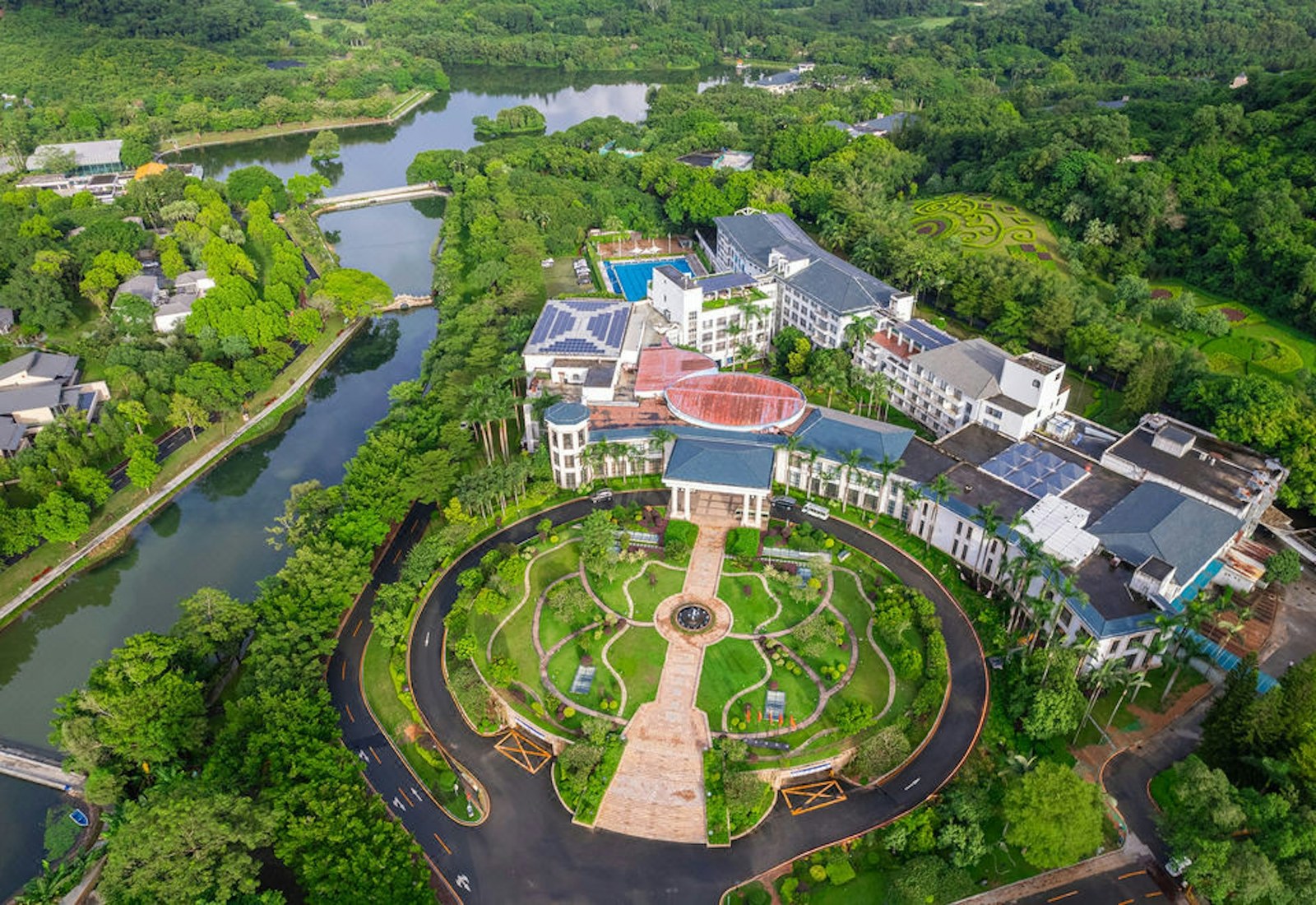
The high-stakes summit took place at Shenzhen’s scenic Qilin Villa, a renowned state guesthouse nestled in the Nanshan district. President Trump arrived at the villa at noon following the APEC plenary session to hold bilateral discussions and a working lunch with President Xi. President Putin subsequently joined the meeting, launching the trilateral round of closed-door and plenary deliberations, which lasted approximately ninety minutes.
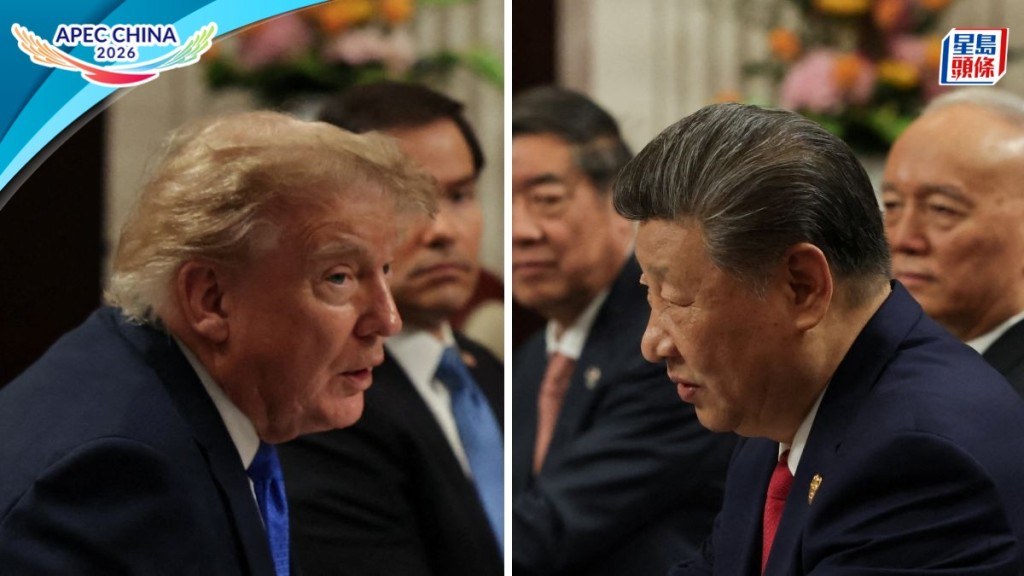
Diplomatic observers highlighted the significance of the secluded setting, noting that “retreat diplomacy” provided the privacy and security needed for frank, high-level strategic communication among the world’s three leading powers.
Xi Jinping Outlines Four Principles for Major Power Relations
Chairing the trilateral session, President Xi emphasized that major power competition must not define the international order, setting forth four core principles for major power coexistence:
- Upholding Mutual Respect: Acknowledging and respecting core strategic interests and abandoning obsolete Cold War mentalities;
- Promoting Peaceful Coexistence: Acknowledging that conflict yields no winners and that the “Thucydides Trap” is by no means an unavoidable historical destiny;
- Advancing Win-Win Cooperation: Rejecting bloc confrontation and decoupling, while leading joint responses to climate change, public health, and global economic recovery;
- Prioritizing Dialogue and Consultation: Resolving differences through constructive engagement to safeguard the post-WWII international architecture.
“Constructive interaction among major powers is not an optional luxury; it is an imperative duty,” President Xi stated. “This historic meeting demonstrates wisdom and opens a new chapter for global strategic stability.”
The Trilateral Peace Declaration: Four Key Pillars
The joint Declaration on Peace adopted by the three leaders sets forth key strategic commitments:
1. Nuclear Risk Reduction and Arms Control: Reaffirming the consensus that “a nuclear war cannot be won and must never be fought,” the three leaders agreed to establish a standing trilateral dialogue on reducing strategic risks, enhancing transparency, and preventing nuclear proliferation.
2. Global Energy Supply Chain Security: The declaration emphasizes close coordination to safeguard the production and distribution of refined petroleum products and ensure the stability of global energy transit corridors.
3. United Nations Reform: The three permanent UN Security Council members reaffirmed their commitment to pragmatic UN institutional reforms, ensuring the body can effectively respond to modern emergencies while upholding the UN Charter.
4. International Rule of Law and Diplomatic Immunity: The leaders stressed respect for international law, diplomatic immunity for state officials, and mutual opposition to the overreach of jurisdiction by external international legal bodies such as the ICC.
Global Reactions: Injecting Strategic Certainty into a Fragmented World
Both President Trump and President Putin commended the frankness and productivity of the talks. “Refusing to talk never solved anything. We are making history today,” President Trump remarked, emphasizing that direct dialogue among the world’s three largest nuclear powers is indispensable for global security. President Putin echoed those sentiments, characterizing the exchange as open, candid, and essential for addressing regional conflicts including Ukraine.
International observers widely viewed the Shenzhen trilateral summit as a major diplomatic breakthrough, sending a powerful signal of de-escalation and cooperation to a volatile global economy.