From grocery benefits and homebuilding to energy costs, seven measures affecting daily life are worth watching; but the squeeze on middle-income households, the fiscal deficit and how well these policies are delivered also demand attention.
CC.NEWS Toronto, November 6, 2026 — Jin Hong, Editor-in-Chief
The federal government of Canada has released its 2026 budget, proposing roughly $400 billion in capital investment over the next six years across housing, energy, industry, defence and infrastructure, alongside a series of family benefits and measures to ease the cost of living.

The government wants to use large-scale investment to drive economic growth, sharpen competitiveness and ease the financial pressure on Canadians.
But what ordinary families care about most is probably not how much the government plans to spend. It is whether food prices will stabilize, whether rent and mortgage costs will ease, whether wages will grow, and whether the monthly bills will actually shrink.
I. The seven measures ordinary households feel most directly
1. Grocery benefits: does a one-time top-up solve long-term pressure?

The budget proposes increasing the Canada Groceries and Essentials Benefit.
In early 2027, benefit amounts will be raised one time only, equivalent to a 50 per cent increase over the original amount for the 2026–2027 benefit year. More than 12 million people are expected to benefit.
- For a single person without children, the extra amount is up to $339;
- For a couple with two children, the extra amount is up to $679.
That money is a real help to low-income households, but it is a one-time increase, not a permanent 50 per cent raise every year from now on.
Rising food prices are a long-term problem. A one-time benefit can help a family get through a difficult stretch, but can it address the cost of groceries that keeps climbing?
Should the government also tackle competition in the marketplace, supply chains and price transparency, rather than relying on benefits to offset the pressure of higher prices?
2. Low-income workers: can people who work actually get ahead?
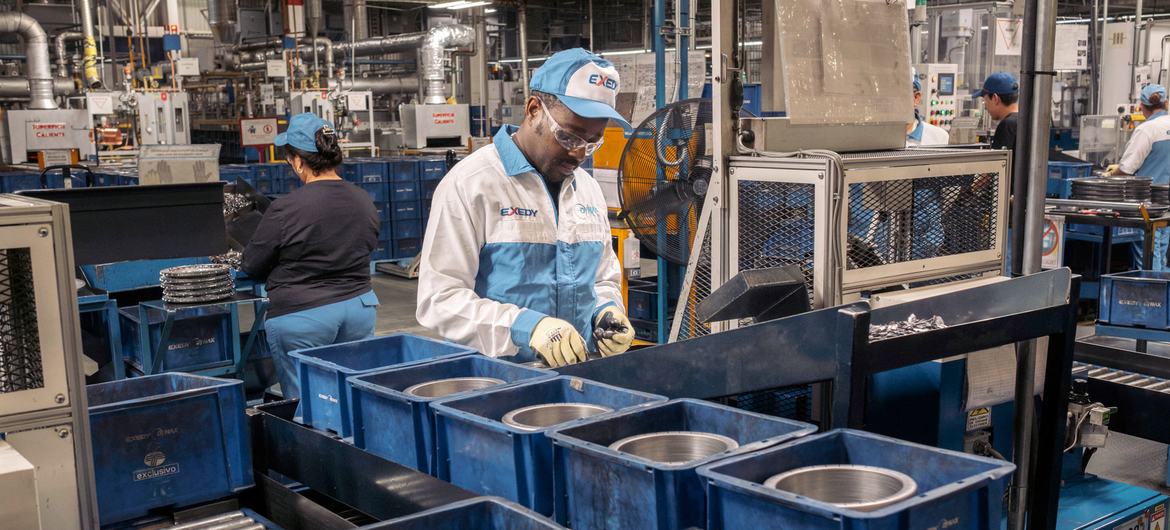
The budget proposes expanding the Build Canada Workers Benefit.
The government estimates the measures combined could help about 240,000 people out of poverty. In the example of a family of four cited in the budget, annual support could reach up to $3,143, with the actual amount depending on income and eligibility.
The policy helps low-income earners, but it also raises a question worth considering: why do some people still struggle to cover their family’s basic needs even though they work every day?
If wages fail to keep pace with rent, food and transportation costs, is more benefit money raising workers’ living standards, or is it closing the gap between low pay and a high cost of living?
Critics argue that benefits cannot substitute for higher wages, better job quality and stronger productivity growth.
3. Caring for elderly and disabled family members: how much support do caregivers get?

The budget proposes making the Canada Caregiver Credit a fully refundable credit.
Starting in 2027, eligible caregivers could receive up to $1,260 a year, indexed to inflation thereafter. The government estimates the measure could help about 15,000 people out of poverty.
Making the credit refundable means some low-income caregivers will actually be able to receive this support.
But $1,260 a year works out to about $105 a month. For families caring for an elderly or disabled relative over the long term, how much of their real expenses will that cover?
Should the government also expand home care, long-term care beds and community care services, instead of leaving families to carry an ever-heavier caregiving burden alone?
4. Housing: can $44.7 billion make a home affordable for ordinary people?

The budget proposes $44.7 billion over the next 11 years for housing construction and related measures, including expanding the supply of affordable housing, using federal land, improving financing conditions and working with provincial and municipal governments to reduce approval barriers.
The budget also changes mortgage insurance rules: eligible first-time homebuyers or buyers of newly built homes, for properties valued at up to $1.5 million, may apply for the relevant mortgage insurance under the rules and use amortization periods of up to 30 years.
The housing investment is substantial, but building requires land, approvals, money and time.
More important: will ordinary families be able to afford the homes that get built?
If supply increases but prices remain far beyond what working families can pay, will the housing crisis actually be resolved?
And for families already coping with high rents and large mortgage payments today, how much will an 11-year investment ease the pressure they face right now?
5. Energy bills: will heat pumps and retrofits really save money?
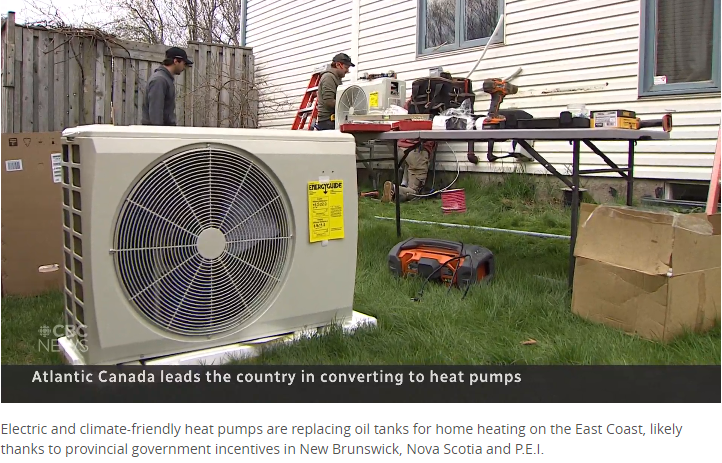
The budget allocates more than $2 billion for a national heat pump program, aiming to help up to 820,000 households install heat pumps, and provides further support for energy-efficient retrofits of about one million homes.
The government expects that, once fully implemented, the measures will save more than $1 billion a year in energy costs.
Over the long term, improving home energy efficiency helps cut energy use, but the actual payoff depends on the condition of the home, installation costs, electricity rates and whether a household can afford the upfront outlay.
Households that own a detached home and can pay for the work may find it easier to benefit. So how much help will renters, low-income households and residents of older apartment buildings receive?
The government publishes projected savings, but what ordinary households want to know is whether the rebates are easy to apply for, who pays for the work, and how much the final bill will actually drop.
6. Gasoline prices: after the tax cuts, will prices at the pump fall?

The budget involves cancelling the consumer carbon price and temporarily suspending the federal fuel excise tax.
On the policy basis set out in the budget, cancelling the consumer carbon price reduces gasoline prices by about 18 cents a litre in most provinces and territories compared with 2024–2025.
Suspending the federal fuel excise tax can reduce gasoline prices by up to 10 cents a litre and diesel by up to 4 cents a litre.
That matters directly to families who depend on their cars to get to work and go about their lives.
But the actual price at the pump is still shaped by international crude prices, refining costs, the exchange rate for the Canadian dollar and provincial taxes and fees. A tax cut announced by the government does not guarantee that pump prices will fall by the same amount.
How much of the tax relief will consumers actually see? And if the drop in fuel prices proves short-lived while car insurance, repairs and transportation costs keep climbing, will households really find their overall burden lighter?
7. Children, education and families: are existing benefits enough for new pressures?

The budget continues to support a number of family programs, including:
- the Canada Child Benefit;
- the National School Food Program;
- Affordable Early Learning and Child Care;
- Canada Student Loans and Grants.
These programs cover children’s development, school meals, child care and post-secondary education.
It is worth noting that many of them continue or expand existing programs rather than introducing benefits for the first time in 2026.
For young families, will child care costs fall further? Will the school food program reach more students who need it? Do university tuition, residence fees and living costs still place a heavy burden on young people and their parents?
II. Businesses get investment incentives — will ordinary employees share in the results?

The budget proposes a super-deduction for business productivity, encouraging companies to buy equipment, expand plants, adopt new technology and raise productivity.
The government estimates the measures could lower the marginal effective tax rate on new business investment from 13 per cent to 6.4 per cent.
Canada does need more business investment, higher productivity, capital attraction and job creation.
But once companies receive tax relief, will they necessarily hire more? And once they invest more, will wages necessarily rise?
Will the taxes companies save go into expanding production and research and development, or into profits and shareholder returns?
Critics point out that growth in business investment does not mean ordinary workers’ incomes grow in step. The government should report not only how much it is investing, but also how many stable jobs these policies create and how much wages have risen.
III. Behind hundreds of billions in investment, who carries the deficit?
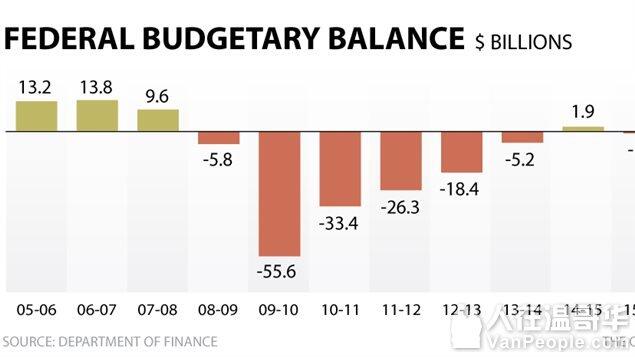
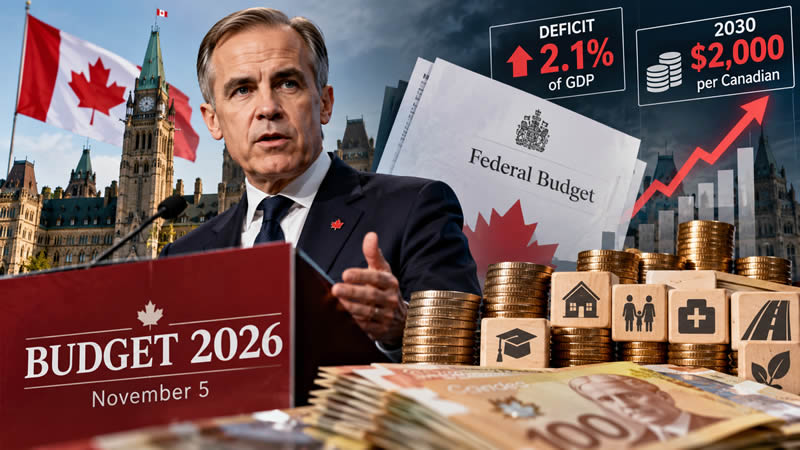
The budget projects a deficit of about $62.3 billion in 2026–2027, with several following years remaining at elevated levels:
- 2027–2028: about $62.5 billion;
- 2028–2029: about $57.6 billion;
- 2029–2030: about $53.4 billion;
- 2030–2031: about $52.9 billion.
The government proposes to restrain growth in day-to-day operating spending, aiming to have operating costs covered by revenues starting in 2027–2028, so that future deficits mainly fund capital investment.
The government’s logic is that borrowing to invest in infrastructure, housing and industry can create economic value for the future.
The question is whether capital investment will necessarily generate an adequate return.
If projects are delayed, costs overrun, or the real economic payoff falls short of expectations, who absorbs the difference?
Borrowing also means paying interest. Will future revenues be enough to cover debt costs, health care, education, seniors’ care and public services all at once?
Taxpayers have a right to know whether each investment is necessary and effective, and whether it leaves the next generation with public assets and economic returns to match.
IV. The easily overlooked group: middle-income households

Many measures in the budget target low-income groups, and large sums go to supporting business and industrial investment.
But middle-income households deserve attention too.
They hold steady jobs, carry a mortgage or pay rent, have children to care for, and face food, transportation, insurance, energy and tax bills.
Their incomes may exceed the eligibility thresholds for some benefits, yet they are nowhere near well off.
Has a situation emerged in which incomes are too high to qualify for much help, but too low to comfortably absorb the rising cost of living?
If a two-income household appears to earn a decent monthly income but has almost nothing left to save after the mortgage, child care, groceries and insurance, who is paying attention to the pressure those families are under?
Economic growth statistics may look good, so why do some families still feel it is getting harder?
V. What critics really worry about: is the money being spent effectively?

Criticism of this budget does not necessarily reject government investment; it asks the government to answer a few practical questions.
First, short-term benefits cannot replace long-term reform. Grocery benefits and tax credits can help families get through a hard stretch, but if food, housing and energy prices keep rising, will families end up relying on government benefits over the long term?
Second, housing investment takes time, but household bills will not wait. The $44.7 billion is spread over 11 years: how will the government ensure the money is converted into genuinely affordable housing as quickly as possible, and how will it avoid approval delays and construction cost overruns?
Third, business investment does not equal benefits for employees. Once companies receive incentives, how will the government ensure the investment actually produces better jobs and wage growth?
Fourth, fiscal discipline cannot stop at budget promises. If growth falls short of expectations, revenues decline or project costs overrun, will the government borrow more, raise taxes or cut public services?
Fifth, do the policies actually reach the people who most need help? Can renters, single seniors, households just above benefit thresholds and people who cannot afford the upfront cost of retrofits share fairly in the benefits the budget creates?
All of these questions require answers from the government, backed by transparent data and long-term results.
VI. In the end, the budget must pass the test of ordinary family life

The 2026 budget touches housing, energy, industry, defence and family benefits; it sets many goals and commits substantial sums.
But the success of a budget cannot be measured only by how much money the government announces. It must be measured by whether it genuinely improves the lives of ordinary people.
Have food prices become more stable?
Have housing costs for ordinary families come down?
Can young people find stable work and afford a place to live more easily?
Can workers’ wages keep up with the cost of living?
Do seniors and family caregivers receive sustained support?
Has business investment created more high-quality jobs?
Has the money the government borrowed actually produced public assets that will be useful for years to come?
These are the questions taxpayers care about most.
Conclusion: the question is not how much the government spent, but what ordinary people actually got

Canada’s 2026 federal budget proposes about $400 billion in capital investment over six years and sets out measures on food, housing, energy, employment and family benefits.
Some of these policies will genuinely help families in need, and long-term investment may create new opportunities for the Canadian economy.
But every number in the budget should be tested against the lives of ordinary people.
After a one-time grocery benefit, will next year’s grocery bill be higher still?
After the government spends tens of billions on housing, when will young people be able to afford a home?
After companies receive tax relief, when will employees’ wages actually rise?
After the government keeps borrowing to invest, how much will future taxpayers have to bear?
If a country’s economic growth, business investment and government spending are all expanding while more and more ordinary families still find life difficult, how much of that growth really belongs to ordinary people?
A budget can set out ambitious goals, and a government can publish impressive numbers.
But what ultimately decides whether this budget succeeds is not a news conference in Ottawa. It is the monthly bills, the paycheques and the lived experience of millions of ordinary households.
The government says this is a budget for the future. So can ordinary Canadians see that future in their lives today?