Population growth, infrastructure and rising public-service costs keep pushing property taxes higher in Canada’s big cities
CC.NEWS Toronto, November 10, 2026
In recent years, Toronto residents have repeatedly complained about successive property tax increases, and the tax burden became one of the main issues in this municipal election, especially in the mayoral race.
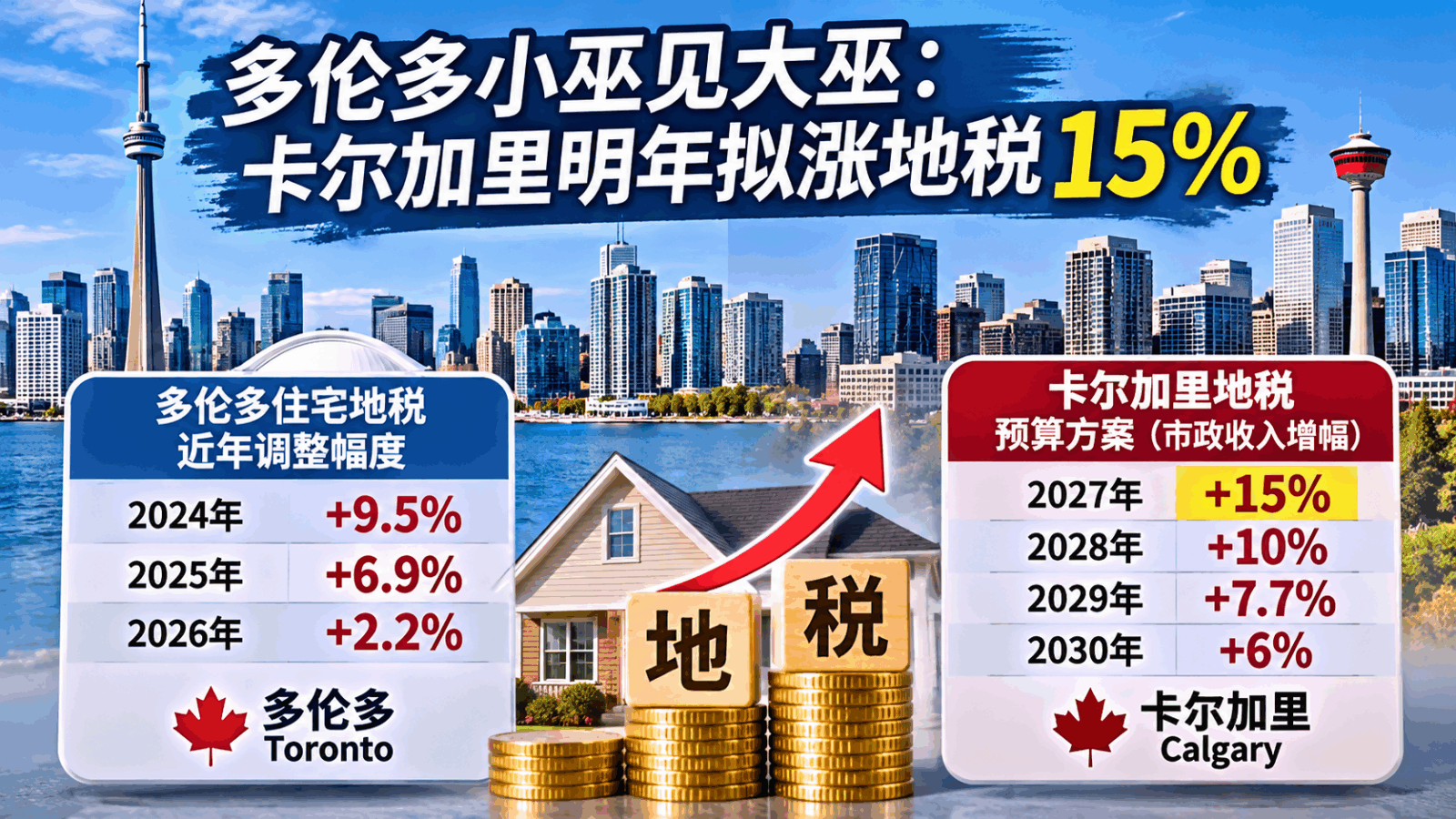
Compared with Calgary, however, Toronto’s recent increases look modest: Calgary’s proposed 2027 budget would raise municipal property tax revenue by 15 per cent, drawing widespread attention.
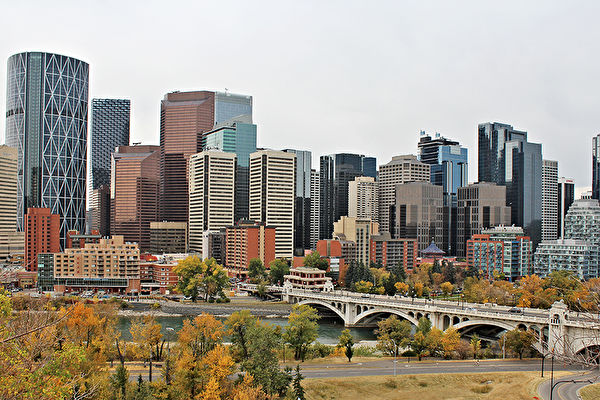
According to English-language media reports, Calgary’s proposed 2027–2030 budget calls for a 15 per cent increase in municipal property tax revenue in 2027. If council approves the plan, local residents will face a noticeably heavier tax bill next year.
According to those reports, for a typical detached home assessed at C$688,000, monthly housing-related costs are expected to rise by about C$53 in 2027 — roughly C$37 in municipal property tax and about C$16 in water, waste and recycling fees.
It is worth noting that 15 per cent is the proposed growth in the city’s property tax revenue, not a promise that every household’s bill will rise by the same proportion. The actual amount also depends on factors such as assessed value. The plan remains a budget proposal and still requires council review.
Toronto’s property taxes have also climbed year after year
The City of Toronto has adjusted its property tax rate repeatedly in recent years.
In 2024, the combined residential property tax adjustment in Toronto was about 9.5 per cent; 6.9 per cent in 2025; and 2.2 per cent in 2026.
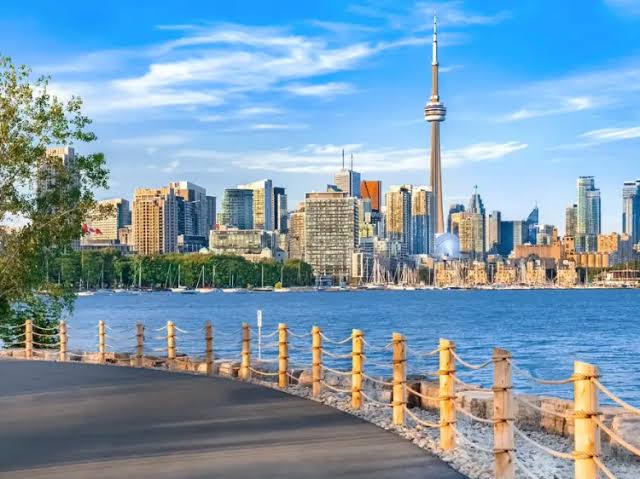
Although the 2026 increase was smaller, several consecutive years of adjustments have added up to a substantial rise in housing costs for many households.
For many Toronto homeowners, higher property taxes are not an isolated expense. Home insurance, utilities, maintenance, mortgage interest and other housing costs are rising too, and the overall burden on families keeps growing.
Why are property taxes rising across Canadian cities?
The fiscal pressure facing Calgary and Toronto is not unique. Many large Canadian cities are dealing with similar problems. The main reasons include:
First, population growth drives demand for public services. As the population grows, cities must build and maintain more roads, public transit, community centres, parks, libraries, and water and wastewater facilities.
Second, aging infrastructure. In older cities such as Toronto, many roads, bridges, underground water mains and transit facilities need repair or replacement, and maintenance costs keep climbing.
Third, rising labour and operating costs. Wages, benefits, insurance, energy and maintenance for police, fire, transit and other public services are all major components of day-to-day municipal spending.
Fourth, major capital projects require sustained investment. Calgary’s wastewater treatment, light rail and road construction, and Toronto’s transit and infrastructure renewal, all require large amounts of capital.
In addition, municipal governments have relatively limited revenue sources, and property tax is a key channel for funding public services. When spending keeps rising while other revenue cannot keep pace, raising property taxes becomes one option for balancing the budget.
The increases have real causes, but taxpayers deserve accountability
Of course, building and maintaining public facilities costs money, and moderate property tax adjustments have real justification. But that does not mean residents must accept whatever increase a city government proposes.
Taxpayers have every right to ask: has the government controlled administrative spending effectively? Have major capital projects run over budget? Has unnecessary spending been cut? Is the additional revenue actually going to the public services residents need?
For retired seniors, low-income households and people living on fixed incomes in particular, successive property tax increases can create serious financial pressure. While raising revenue, city governments should also consider appropriate tax relief or deferred payment arrangements for residents who need them.
From Toronto to Calgary, rising property taxes reflect a shared fiscal challenge for Canadian cities. Urban growth needs money, infrastructure needs maintenance, and public services must be protected.
But for ordinary residents, the most important question remains a practical one: as property taxes rise year after year, can the government show taxpayers a corresponding improvement in public services?
That is not only a question for Calgary residents. It is one that taxpayers in Toronto and other Canadian cities share.