A grizzly attacked a school group at the same spot last year, injuring 11 people; human-wildlife safety is once again drawing attention
CC.NEWS Toronto, November 6, 2026
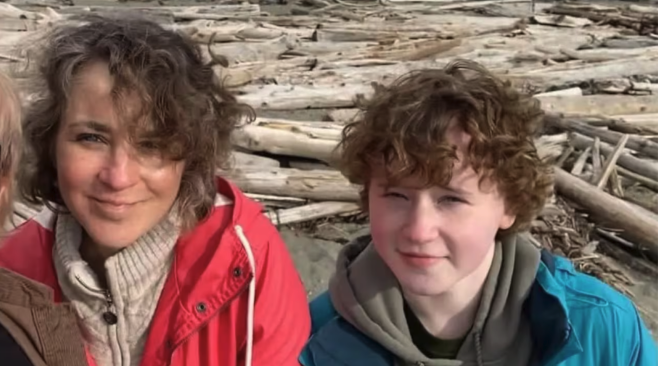
A heartbreaking grizzly bear attack has occurred in recent days on British Columbia’s central coast. A mother and her daughter, who were hiking in the area, are believed to have been attacked by a grizzly, and both died.
More notable still, the site is only about 3 to 4 kilometres from where a serious grizzly attack on a school group occurred last year. In that incident, a grizzly attacked an outdoor group from a local school, injuring 11 people, several of them seriously.

Two serious grizzly attacks in the same area within a single year have once again confronted residents with the question of safety in the backcountry. Did the same bear carry out both attacks? Were the warnings and management measures put in place after last year’s incident adequate? Those questions are now attracting scrutiny.
Mother and daughter reported missing on a hike; searchers find both bodies
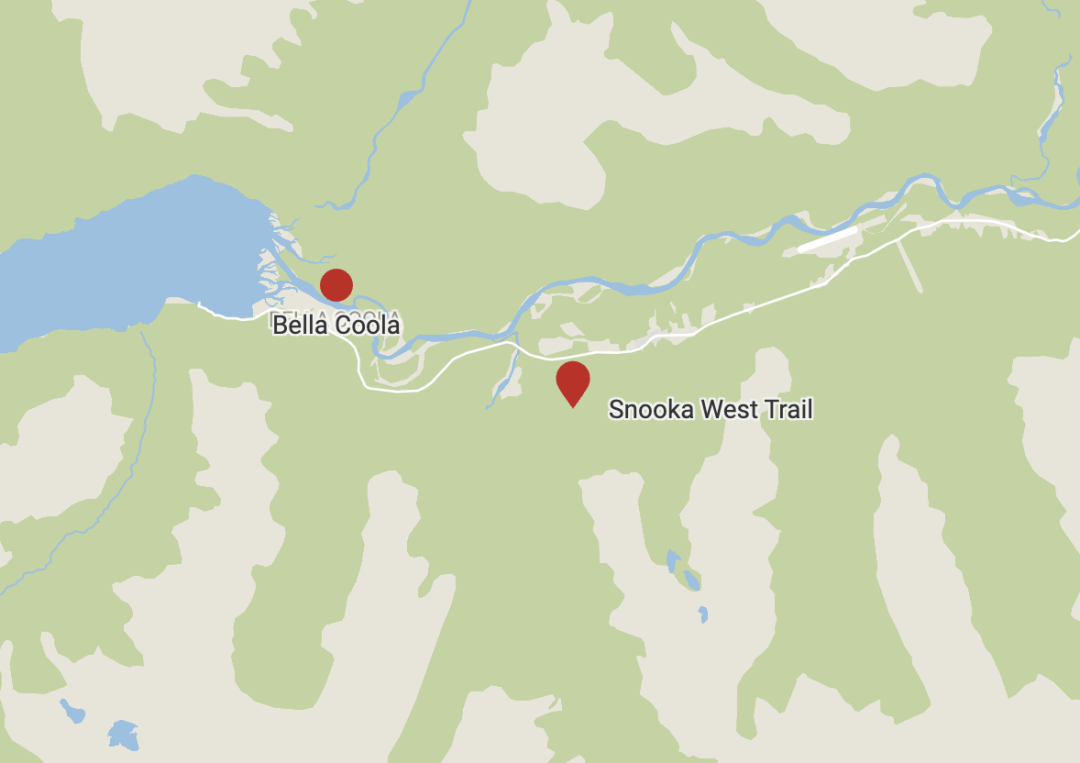
The Associated Press reported on November 6 that the incident occurred in the Bella Coola area of British Columbia’s central coast, near the Snooka West Trail.
The two victims were Jenny Balcarras, 48, and her 20-year-old daughter, Selah Reed.
On November 1, family members reported the pair missing after they failed to make contact as planned. Searchers found the mother’s body near the trail on November 2 and the daughter’s body on November 3.
Investigators believe the two may have been attacked by a grizzly bear. The B.C. Conservation Officer Service is investigating and is taking steps to find the bear or bears possibly involved.
Jenny Balcarras was an art therapist who had moved to Bella Coola only this past summer. She had previously lived in Alaska and had some experience in the backcountry.
Her brother said the mother and daughter were not people who were unfamiliar with the wilderness or lacking in outdoor experience.
The tragedy is also a reminder that even people with backcountry experience can face unpredictable risks in grizzly country.
A troubling backdrop: a school group was attacked by a grizzly last year
The case has drawn particular attention because the area was already the scene of a serious grizzly attack on November 20, 2025.
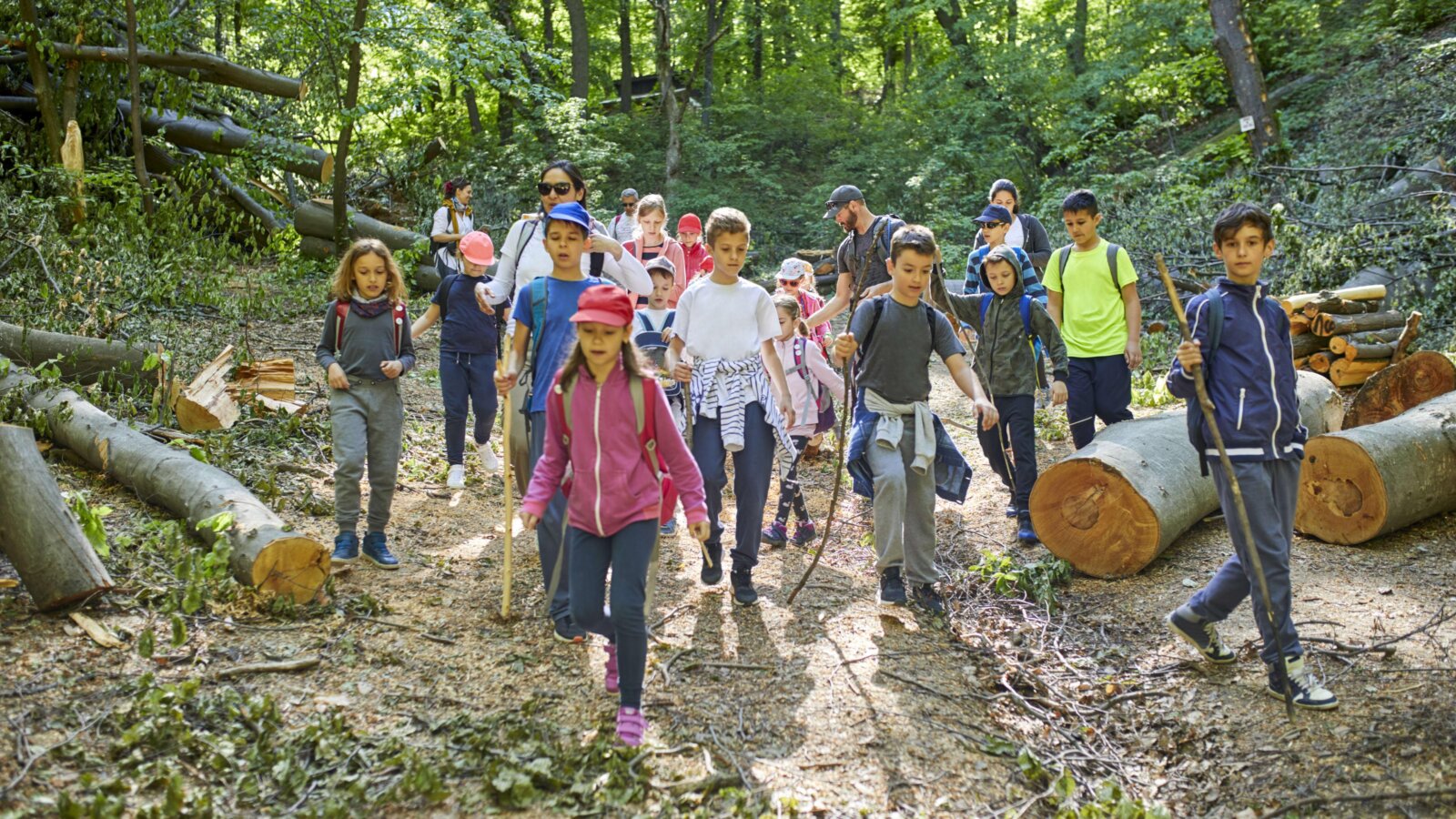
At the time, a group of Grade 4 and Grade 5 students and their teachers from Acwsalcta School in Bella Coola was taking part in an outdoor activity on a nearby trail. As the group of about 20 rested beside the trail, a grizzly bear suddenly emerged from the trees and attacked.
Canadian media reported that 11 people were injured in all, including three children and one adult. Some of the injuries were serious and even life-threatening.
Several teachers used bear spray and bear bangers to help drive the grizzly off and protect the students.
After the attack, the Nuxalk Nation asked residents to avoid the area, and the school suspended classes and offered support to students and staff affected by the incident.
For a community of modest size, the attack carried a heavy psychological toll.
But the more troubling question is this: the grizzly that attacked the school group was never found.
A two-week search, and still no identification of the bear that attacked the school
After the 2025 incident, B.C. conservation officers mounted a search effort.
According to earlier reporting by Canadian media, 24 conservation officers took part in a search operation that lasted about two weeks.
During the search, crews captured a number of grizzly bears. Four of them underwent DNA testing, but the results showed that none was the bear that had attacked the school group.
With no further related sightings and with the bears entering their winter denning period, the conservation service ended active trapping on December 5, 2025.
The authorities said at the time that they would keep monitoring bear activity in the area and would station conservation officers in the Bella Coola region.
Yet where the grizzly that attacked the school group went was never clearly established.
A year later, with a mother and daughter killed nearby, the question has returned to public view.
Attacks only a few kilometres apart: was it the same grizzly?
It is one of the most closely watched questions in the investigation.
The AP reported that the site where the mother and daughter died is about 3 to 4 kilometres from where the school group was attacked last year.
B.C. conservation officer Jeff Tyre said it is not yet possible to determine whether the same grizzly was involved in both incidents, and that the possibility of more than one bear in the latest attack cannot be ruled out.
Officials are gathering evidence at the scene, setting traps and hoping to identify the animal involved through DNA and other testing.
It should be stressed that there is no evidence to show that the bear that attacked the school group last year is the animal involved in this case.
But do two attacks in such close proximity mean the area faces a continuing wildlife safety risk? That is plainly a question government and the community need to examine seriously.
Why the risk of human-grizzly encounters in Bella Coola matters
Bella Coola sits on British Columbia’s central coast, surrounded by forests, mountains, rivers and wide stretches of wildlife habitat.
Grizzlies are an important part of the natural ecology of the region. Encounters between residents and grizzlies in forests, along rivers and near trails are not entirely rare.
The difficulty is that wildlife range overlaps with the areas where residents go about their daily lives.
Residents walking, hiking or taking part in outdoor activities may all enter grizzly range.
Seasonal change, food sources, habitat conditions and climate change may also affect how grizzlies move and behave.
Wildlife experts note that habitat change and pressure on food supplies can raise the risk of human-bear conflict in some areas. There is, however, no evidence that these factors were the direct cause of the deaths of the mother and daughter.
A lesson from animal behaviour: grizzlies can form foraging habits that are hard to break
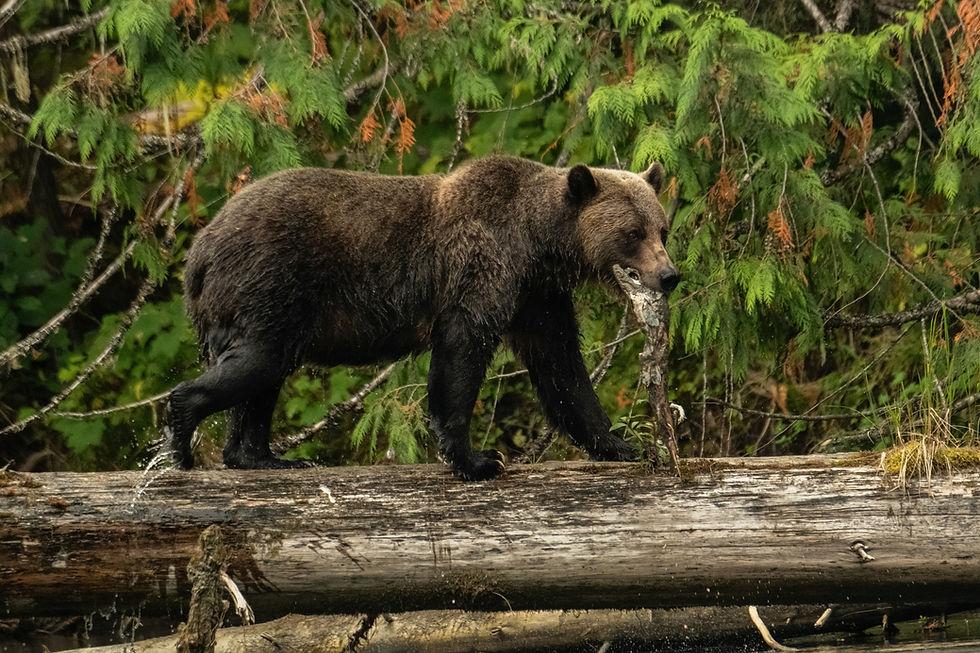
From the standpoint of animal behaviour, grizzlies are highly capable learners with strong memories.
If a grizzly repeatedly obtains food in areas of human activity, it may come to associate those places with a food source and develop a habit of returning to them. Scientists call this food conditioning.
In the same way, a bear that is repeatedly exposed to people without being meaningfully deterred may gradually lose its wariness of humans. This is known as habituation.
More notable still, grizzly cubs learn to forage and survive by following their mother, and some food preferences and behaviour patterns can be passed on to the next generation through social learning.
It must be emphasized, though, that becoming used to finding food in areas of human activity does not mean treating humans themselves as food. One or two attacks are not enough to conclude that a bear has formed a settled habit of preying on people.
Returning to the two serious incidents in quick succession at Bella Coola, one question worth investigating is whether a particular grizzly in the area has repeatedly approached areas of human activity and is becoming habituated to people.
If the answer is yes, should wildlife managers carry out a more rigorous risk assessment of such an animal?
And if an animal repeatedly displays dangerous behaviour, what measures should government take that both protect residents’ lives and follow science-based wildlife management principles?
Protecting wildlife matters, but protecting human life matters just as much.
This is not merely an animal attack. It is also a scientific and public safety question that Canada must confront squarely as it grapples with coexistence between people and wildlife.
A community grieves again as officials tighten safety measures
The incident has dealt another heavy blow to the local Nuxalk Nation community.
Community leader Terry Webber said the trauma left by last year’s attack on the school group had not fully healed, and that the deaths of the mother and daughter had brought residents fresh grief.
Authorities have already put a series of safety measures in place, including:
- asking the public to stay away from the area near the Snooka West Trail where the attack occurred;
- continuing the search by conservation officers for the bear or bears possibly involved;
- imposing a local curfew;
- providing mental health support to residents affected by the incident;
- strengthening coordination among First Nations communities, police and search and rescue agencies.
Local officials are also reminding residents and visitors to follow safety guidance and to keep out of the area.
How can people and wildlife coexist? Where is the balance between safety and conservation?
Grizzlies are an important part of Canada’s natural environment. Protecting wildlife is part of Canada’s conservation work.
But protecting wildlife does not mean that residents’ safety can be overlooked.
After serious attacks in successive years, several questions deserve further thought from government and the public:
First, why was the grizzly that attacked the school group last year never identified? Were there shortcomings in the search and DNA testing at the time?
Second, with the two sites only a few kilometres apart, does the area need a fresh assessment of safety risks on trails, in school outdoor activity areas and in residential areas?
Third, after last year’s incident, was a sufficiently effective warning system put in place? Can residents get timely information about bear activity and dangerous areas?
Fourth, when an animal has been confirmed as involved in a serious attack, what should government do that both protects residents’ lives and follows science-based wildlife management principles?
These questions should not have to wait for the next tragedy before they are raised again.
Conclusion: wildlife protection and public safety should not be an either-or choice
The deaths of the mother and daughter are another reminder to Canadians that the relationship between people and nature requires both protection and management.
A grizzly is not at fault for being in its own natural habitat, and people have the right to live safely in their communities.
What must be resolved is how to build a more science-based, timely and effective safety management system between the two.
Especially in an area where a serious attack has already occurred, can government learn from that experience and identify risks, improve warnings and protect residents in time?
Protecting wildlife is important, and so is protecting human life. A mature conservation system should let the two coexist as safely as possible, rather than leaving a community to ask, after one tragedy after another, questions that could have been raised in advance.