CC.NEWS Toronto, October 28, 2026
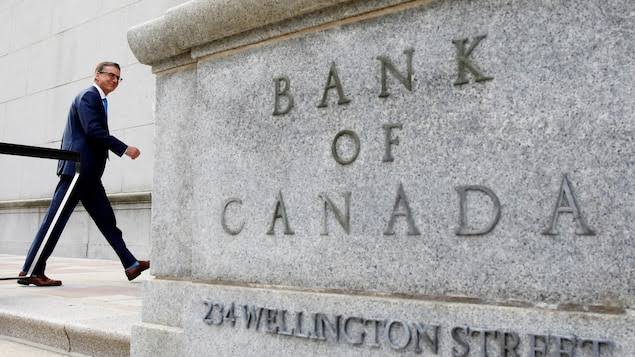
The Bank of Canada announced on October 28 that it is raising its benchmark interest rate by 25 basis points to 2.5 per cent, its first rate increase in three years. The move is aimed chiefly at keeping persistently high energy prices from pushing overall inflation higher. The central bank also raised its forecasts for inflation and economic growth, and expects the inflation rate to remain above 3 per cent for most of 2027.
The hike was not a surprise. With international oil prices rising, gasoline prices climbing and inflationary pressures persisting, financial markets and many economists had widely expected the central bank to act. A Reuters report on October 26 showed that most economists surveyed expected a 25-basis-point increase.
The central bank faces a difficult balance: on one hand it must keep higher energy prices from turning into broader, longer-lasting inflation; on the other, the Canadian economy still faces trade uncertainty, pressure on some sectors and slowing growth. A rate hike could raise financing costs for variable-rate borrowers and some businesses, and could weigh on consumption and investment.
The decision reflects the central bank’s wariness of inflation risks. Where rates go from here will still depend on energy prices, inflation developments, economic performance and the external trade environment.